Influence in Political Campaigns
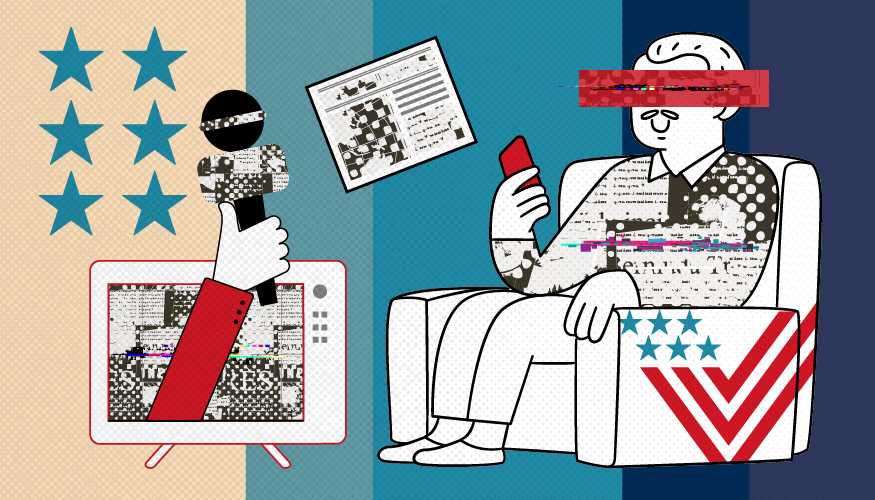
In society today, social media has greatly changed the way political campaigns function, basically altering the relationship between mass media and politics. As a college student majoring in Political Science at Kennesaw State University, I selected this theme due to the fact it captures the convergence of two embodiments shaping our democracy: technology and political communication. Social media has turned out to be necessary resources for politicians to join with voters, stories, and even floating votes. However, these resources additionally make bigger obstacles such as misinformation, polarization, and echo chambers. In this blog, I will unravel each of the opportunities and challenges social media gives in contemporary political campaigns. I will dive into how virtual compositions affect voter engagement, the discovery of statistics (and disinformation), and the way they form prevailing beliefs. This subject matter is particularly relevant as we strategize important elections, social media’s impact in shaping political struggle is beneficial than ever. Through examination of modern events, case studies, and scholarly research, I aim to gain great knowledge into how social media reshapes our political complexity and it’s magnitude for the future of democracy.
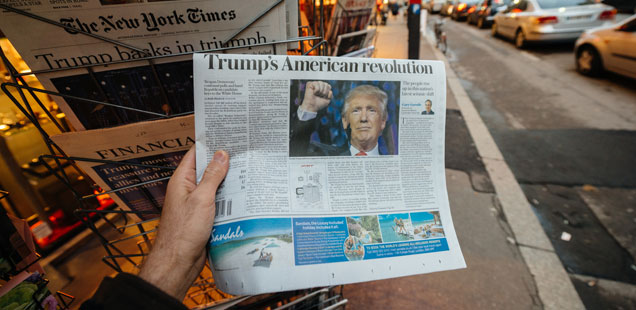
While social media brings numerous benefits, it additionally offers serious challenges that can threaten democratic processes, with misinformation and pretend information being amongst the most urgent concerns. Social systems enable false records to unfold rapidly, frequently greater broadly than correct content, due to algorithms prioritizing engagement over accuracy. In the 2016 U.S. Presidential Election, actors exploited social media to disseminate deceptive narratives, influencing voter perceptions. False news regularly target emotional responses, creating a greater possibly to be true or false. Moreover, the echo chamber impact enlightens this issue, as customers are exposed exceptionally to statistics that aligns with their current ideology, reinforcing narratives. Noting the challenges of misinformation requires a miscellaneous approach, together with platform obedience to defend democratic wholeness.

In conclusion, social media continues to reshape the political scene, its function in future campaigns will certainly evolve. One essential direction will be the rule of these platforms. Governments are constantly searching for ways to put in force insurance policies that curb the unfold of misinformation and make sure there’s fairness in political campaigns. Fact checking packages and the merchandising of digital literacy will be indispensable in addressing the unfold of pretend information and partisan echo chambers. Moreover, the upward push of synthetic Genius (AI) in focused political campaigns offers each possibilities and risks. While AI can enhance voter engagement and customize messaging, it additionally raises worries about privateness and manipulation. Finally, tech corporations have to take on increased moral responsibility, making sure their structures are no longer used to perpetuate division or affect elections unduly. In the coming years, these elements will form the moral and sensible dynamics of political conversation online.
What do you think about the role of social media in modern politics? Share your thoughts in the comments below, and let’s start a conversation about how we can use these platforms responsibly to strengthen democracy. What are your thoughts on the impact of social media in contemporary politics? Share your opinions in the comments below, and let’s spark a discussion on how we can harness these platforms responsibly to enhance and protect democracy.


Comments
Post a Comment